chem-labs

Leading Medical & Laboratory Equipment Supplier in Kenya

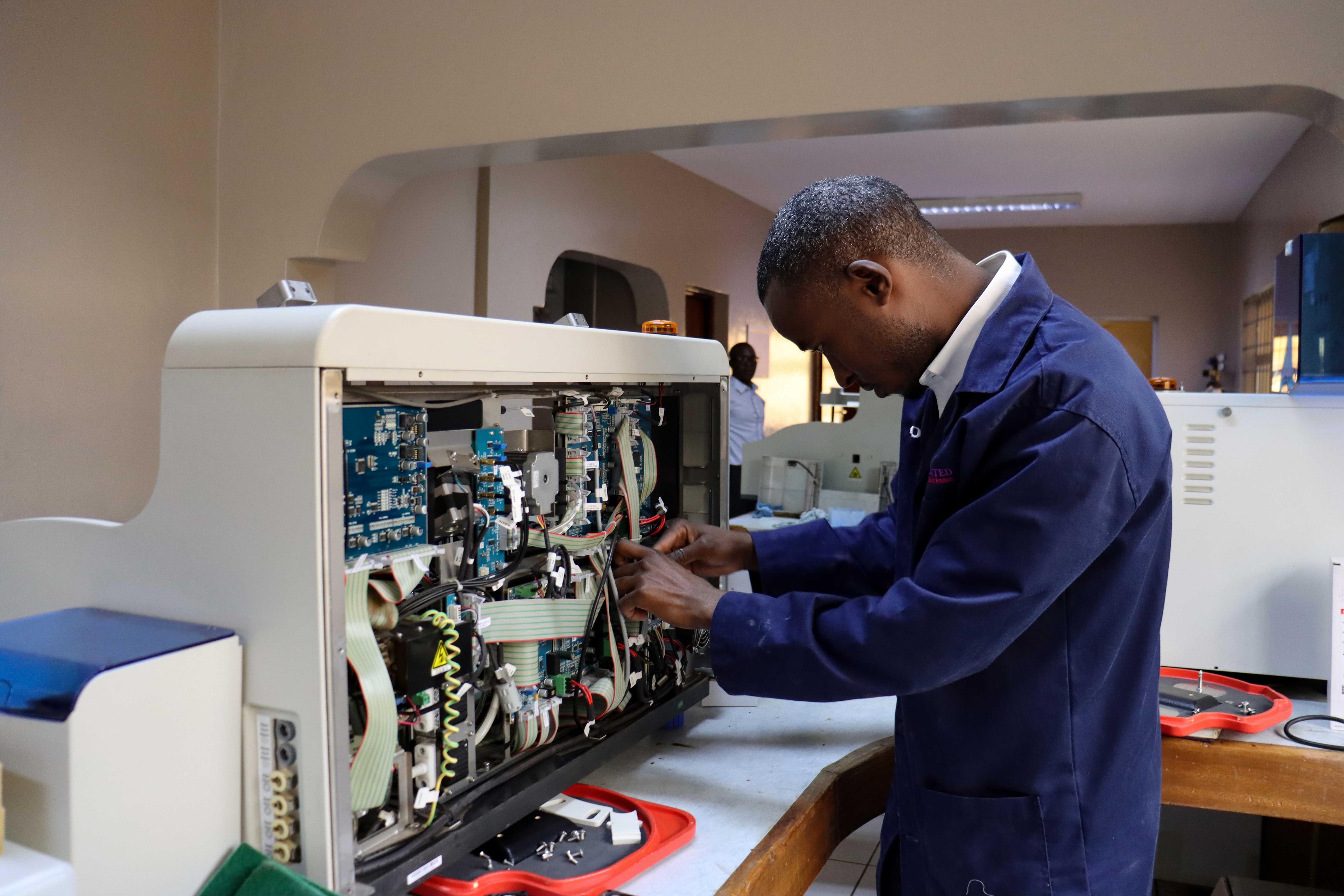
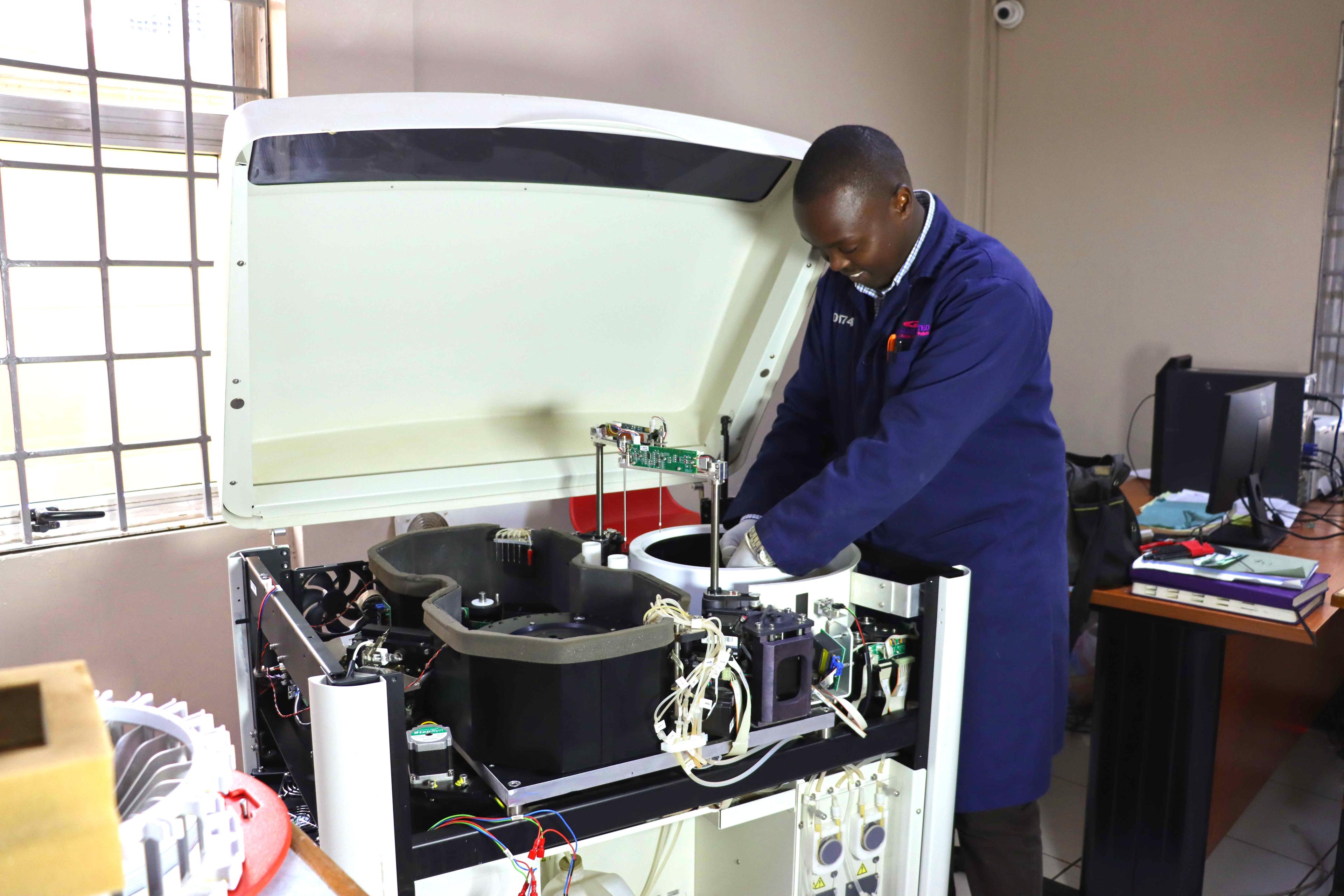
From a Call to Installation & Maintenance
Dependable Medical Equipment
Reliability

Dependable Medical Equipment

We pride ourselves on consistently delivering products and services that you can depend on. Our track record ensures seamless operations for your facility.

  • Proven track record
  • Consistent delivery
  • Seamless integration
Advanced Diagnostic Tools
Quality

Advanced Diagnostic Tools

Delivering quality you can count on, from advanced medical supplies to expert maintenance. We’re committed to excellence at every step.

  • Industry-leading brands
  • Precision instruments
  • Rigorous quality checks
Dedicated Technical Support
Support

Dedicated Technical Support

Our service goes beyond delivery. We provide comprehensive application support and maintenance to keep your equipment running and your patients cared for.

  • 24/7 Technical assistance
  • Preventative maintenance
  • Application training

Quality, Reliable, Products

Our Trending Products

Stay ahead of industry advancements with our curated selection of cutting-edge diagnostic technology. From fully automated analytical systems to essential consumables, these trending solutions are engineered to optimize workflow efficiency, guarantee precision, and elevate your laboratory's capabilities.


Recent Blogs

Stay updated with the latest insights from Chem-Labs, your trusted Medical equipment suppliers in Kenya / Nairobi. Discover industry news, innovations, and trends from the top Laboratory equipment companies in Kenya.

The Evolution of Hypertension Diagnosis & Treatment

The Evolution of Hypertension Diagnosis & Treatment

The Evolution of Hypertension Diagnosis and Modern Management Hypertension, commonly known as high blood pressure, has a long history dating back centuries. While the concept of hypertension emerged in ancient times, the understanding and management of this "silent killer" have evolved significantly over the years. Some of the earliest documented observations trace back to ancient Egypt and India, where physicians noted symptoms such as headaches, dizziness, and palpitations. However, it was not until the 19th century that hypertension gained formal recognition as a distinct medical condition. The Progression of Blood Pressure Measurement Technology Early diagnosis relied on clinical signs and physical observations such as pulse measurement and palpation which lacked precision and objective reliability. Key milestones in blood pressure monitoring include: The Sphygmomanometer (Early 20th Century): Invented by Italian physician Scipione Riva-Rocci, this device introduced non-invasive, objective blood pressure measurement. Automated Electronic Monitors (Modern Standard): Contemporary clinical practice relies on automated electronic sphygmomanometers to ensure measurement accuracy and consistency. Ambulatory Blood Pressure Monitoring (ABPM): Advanced ABPM devices track continuous readings across 24-hour cycles (day and night) to diagnose masked or white-coat hypertension. Modern Diagnostic Solutions: The Visomat BP Monitor Accurate baseline measurements are critical for cardiovascular health management. At Chem-labs Limited, we provide home and clinical blood pressure monitoring solutions, including the Visomat BP Monitor , designed with a preformed shell cuff for an optimal fit. Key Advantages of the Visomat BP Monitor Clinical Accuracy: Clinically validated and tested by independent research institutes. Proven Quality: Every unit undergoes multi-stage quality control checks. User-Centric Design: Streamlined interface tailored specifically for patient ease of use. The Role of Clinical Trials in Hypertension Management Clinical trials provide evidence-based insights into treatment strategies, evaluating both pharmacological interventions and lifestyle modifications. By dividing participants into controlled study groups, clinical research measures the efficacy and safety of key interventions: Pharmacological Therapies: Testing drug classes such as Angiotensin-Converting Enzyme (ACE) inhibitors, beta-blockers, and calcium channel blockers. Lifestyle Interventions: Evaluating dietary changes, structured exercise programs, stress reduction techniques, and weight management protocols. Complication Prevention: Collecting long-term data on hypertension control to reduce the risk of secondary outcomes like heart disease, stroke, and kidney disease. Prioritizing Proactive Blood Pressure Monitoring From early historical observations to modern automated diagnostics, clinicians now possess precise tools to detect and treat high blood pressure effectively. However, patient awareness and routine monitoring remain essential to mitigating the risks of unmanaged hypertension. Explore our full range of medical diagnostic equipment to support your clinical testing needs.

Germaine Mbuthia
Germaine MbuthiaDigital Marketing & Communications
2 min read·February 11, 2025
Cervical Cancer Awareness & Sample Collection Tools

Cervical Cancer Awareness & Sample Collection Tools

Cervical Cancer Awareness: Why High-Yield Sample Collection Matters Most people resonate with the pink ribbons often donned in October to raise awareness and show support for cancer patients. However, different types of cancer are represented by different colors—January is Cervical Cancer Awareness Month , represented by the teal ribbon. According to the World Health Organization (WHO), cervical cancer is the fourth most common cancer in women globally, accounting for approximately 660,000 new cases and 350,000 deaths in 2022. Prevention and Early Detection Through Screening Cervical cancer is largely preventable through Human Papillomavirus (HPV) vaccination and regular screening as recommended by national guidelines. When detected early and treated promptly, it is highly curable. For girls aged 9 to 14 years, the HPV vaccine is exceptionally effective in preventing infection, cervical cancer, and other HPV-related cancers. The Diagnostics Chain: Focus on the 'First Mile' Screening accuracy depends on the quality of the tools used at every stage: Sample Collection: Cytobrushes , speculums , and spatulas . Sample Handling: Preservation media and transport systems. Laboratory Testing: Diagnostic platform analysis. The entire diagnostic process functions as a chain, and it is only as strong as its first link: collection . Delivering specialized tools ensures healthcare providers capture high-yield, high-quality samples from the start. Eliminating Unsatisfactory Samples and Repeat Visits One of the largest hurdles in cervical screening is an unsatisfactory sample , which forces patients to return for repeat procedures. Using precise collection devices provides key advantages: Definitive Results: Captures sufficient diagnostic cellular material on the first attempt. Patient Comfort: Avoids the stress and discomfort of repeat clinic visits. Workflow Efficiency: Reduces turnaround times for clinical laboratories and healthcare providers. Partnering to Eliminate Cervical Cancer Successful screening relies on collaboration between patients, healthcare providers, and high-quality point-of-care technology. By prioritizing reliable collection tools, the path from screening to diagnosis remains direct and dependable. Regular screening is a simple step with life-saving impact. Have you booked your appointment yet?

Germaine Mbuthia
Germaine MbuthiaDigital Marketing & Communications
2 min read·January 15, 2026
How Laboratory Analyzers Connect with a Laboratory Information System (LIS) to Streamline Laboratory Workflows

How Laboratory Analyzers Connect with a Laboratory Information System (LIS) to Streamline Laboratory Workflows

Modern medical laboratories process hundreds or even thousands of patient samples every day. Managing this workload manually is not only time consuming but also increases the risk of transcription errors, delayed reporting, and reduced productivity. This is where the integration between laboratory analyzers and a Laboratory Information System (LIS) becomes essential. By allowing analyzers and the LIS to communicate automatically, laboratories can eliminate repetitive manual tasks, improve accuracy, and deliver test results to clinicians much faster. What is a Laboratory Information System (LIS)? A Laboratory Information System (LIS) is software designed to manage laboratory operations from patient registration and sample tracking to test result reporting and quality control. It serves as the central hub that coordinates laboratory activities and ensures that patient information and test results are securely managed. How Do Laboratory Analyzers Connect to an LIS? Modern laboratory analyzers communicate with an LIS using standardized communication protocols. The most common methods include: ASTM (American Society for Testing and Materials): A widely adopted protocol that allows laboratory instruments to exchange work orders and test results with an LIS. HL7 (Health Level Seven): A healthcare messaging standard commonly used when integrating the LIS with hospital information systems and electronic medical records. TCP/IP over Ethernet: Most modern analyzers communicate through a local network, enabling fast and reliable data exchange. Serial Communication (RS-232): Many older analyzers still use serial ports for communication with middle-ware or directly with an LIS. Typical Workflow A patient is registered in the LIS. A laboratory request is created and a bar-code is printed. The sample is collected and labeled with the bar-code. The analyzer scans the bar-code and requests the corresponding test order from the LIS. The analyzer performs the requested tests automatically. Once testing is complete, the analyzer sends the results back to the LIS. The LIS validates, stores, and presents the results for review before generating the final laboratory report. Benefits of Analyzer-LIS Integration Eliminates manual entry of test results. Reduces transcription errors. Speeds up turnaround time. Improves sample traceability through bar-code identification. Enables real-time result reporting. Supports quality assurance and audit trails. Increases laboratory efficiency and staff productivity. Allows laboratory personnel to focus on quality control and patient care instead of repetitive administrative tasks. Conclusion The integration of laboratory analyzers with a Laboratory Information System has transformed modern laboratory operations. By automating data exchange between instruments and the LIS, laboratories achieve faster workflows, improved accuracy, and better patient outcomes. Whether using ASTM, HL7, or other communication standards, analyzer-LIS connectivity has become a fundamental component of efficient and reliable laboratory services.

Levy Muguro
Levy MuguroICT Officer
2 min read·August 17, 2026

Equip Your Laboratory Today

We provide the highest quality Laboratory reagents and consumables Kenya has to offer. Whether you're looking for advanced Clinical chemistry analyzers Kenya or state-of-the-art Hematology analyzers Nairobi, Chem-Labs has you covered. Plus, we offer flexible financing options to ensure your facility gets the equipment it needs without financial strain.

Our Latest Videos

Watch our latest updates, product showcases, and guides.

View all

What Our Clients Say

footer-logo

As one of the premier medical equipment providers in East Africa, Chem-Labs Limited delivers a comprehensive portfolio of diagnostic solutions spanning the entire spectrum of laboratory medicine—including clinical chemistry, hematology, coagulation, molecular diagnostics, and critical care. Beyond supplying premium laboratory equipment and chemicals, our highly specialized technical team provides end-to-end application support, remote diagnostics, and strategic consultation to help institutions set up, automate, or upscale their healthcare infrastructure.

Contact Info

Nairobi, Kenya

HQ: Human House, Ngara West Road

info@chem-labs.com

+254 722 822 595

Copyright © 2026 Chem-Labs Ltd Made with ❤️ by ICT Team.